How to Fertilize Plants in Pots: How Much, How Often, and What Goes Wrong
A pot doesn’t forgive a bad guess the way a garden bed does. Get the dose wrong in open ground and the surrounding soil dilutes the mistake before it ever really reaches the roots. Get it wrong in a container and there’s nowhere for the excess to go: the whole root system sits in it. Overfeeding is quietly the more common failure than underfeeding in a pot, and it looks enough like other problems that most people misdiagnose it and make it worse.

Why Plants in Pots Need Feeding at All
Potting mix starts with a set amount of nutrients, and every time you water, some of that washes straight out the drainage holes. A plant in open ground can send roots out looking for more; a plant in a pot only has what’s in the container, and that supply runs down faster than it looks like it should. That’s not a flaw in your potting mix. It’s just what a fixed, drained volume of growing medium does over a season, and it’s why a container vegetable that looked fine at week 3 can stall out by week 6 with no obvious cause.
Why a Pot Punishes Overfeeding More Than a Garden Bed Does
This is the actual difference between feeding a garden and feeding a pot, and it’s mechanical, not a matter of being more careful.
In a garden bed, the roots you’re feeding sit inside a much larger volume of soil than the roots are actually using. That extra soil acts as a buffer: if you mix a feed too strong, or spill some, the surrounding earth dilutes it before it reaches most of the root system. You get away with a lot of sloppiness in open ground because the ground itself absorbs the error.
A 5-liter pot has no such buffer. The soil the roots can reach IS the entire volume of the container, full stop. Whatever concentration you pour in is the concentration the roots sit in, everywhere, immediately. The same measuring mistake that a garden bed shrugs off as one slightly-too-strong patch becomes, in a pot, the strength the entire plant is now growing in.
This is also why “half strength, twice as often” is the standard container advice, and why it’s worth understanding as more than a rule someone made up: diluting the dose gives you the same margin for error a garden bed gives you for free.
How Much: Reading the Label, and Why Half Strength Is the Safer Default
Liquid fertilizer labels are written for garden use, with in-ground soil’s buffer assumed. In a pot, treat the label’s recommended dilution as a ceiling, not a target. Mixing at half the labeled strength and feeding on the same total schedule (or twice as often, at that lower strength, if you’re feeding a fast grower) gets you the same total nutrient over a month with far less risk of a single feed being too strong for the volume it’s going into.
If a label gives a range, start at the weaker end. You can always feed again in a few days if a plant is genuinely hungry. You can’t undo a feed that’s already gone in too strong without a flush (below), which costs you more time than starting light would have.
How Often: What Changes With Pot Size, Crop and Season
The schedule this site already recommends for balcony containers holds here too, and this page doesn’t change it: feed from about 4 to 6 weeks after planting, once the plant is established and actively growing, with a balanced liquid feed every 2 weeks through the growing season. Switch to a higher-potassium feed once a fruiting crop like tomatoes or peppers starts flowering, since that supports fruit rather than leaf growth. Full container basics: the balcony vegetable garden guide.
What changes pot to pot is the buffer, not the rule. A smaller pot holds less potting mix, so it runs out of reserves faster and can need feeding a little sooner than that 4-to-6-week window; a large, heavily-planted container can stretch a little longer. Hot, fast-growing weeks use up feed quicker than a slow stretch. Treat the schedule as a starting point you adjust by watching the plant, not a fixed calendar. For a month-by-month view of what else needs doing, the apartment homesteading monthly calendar covers the rest of the season.
Hemisphere note: “flowering begins” and “the growing season” mean whichever months are actually warm and long where you are. If you’re reading this in the Southern Hemisphere, your growing season runs roughly opposite the Northern one; adjust the calendar, not the method.
Liquid, Granular or Slow-Release: Which Suits a Container
Liquid feed gives you the most control, since you decide the strength and timing every time, which matters most in a pot where there’s no buffer to absorb a miscalculation. It’s the easiest to under- or over-dose deliberately in either direction as you learn a plant.
Granular feed worked into the surface of the mix releases more slowly and needs less frequent attention, but it’s harder to walk back if you’ve used too much, since it’s already in the mix rather than something you can just stop pouring.
Slow-release pellets are the lowest-maintenance option and spread feed out over months instead of weeks, which suits a pot you don’t want to think about often. The trade-off is the same as granular: once they’re in, you can’t easily reduce the dose partway through.
For a first container, liquid feed at the reduced strength above is the easiest to get right, because it’s the easiest to correct.
Signs You’re Underfeeding
Older, lower leaves turning uniformly pale or yellow while new growth stays green is the classic underfeeding pattern, since the plant pulls nutrients from its oldest leaves first to keep growing new ones. Growth that’s slowed or stalled, and a fruiting plant that flowers but doesn’t set fruit, both point the same way. The fix is straightforward: resume the schedule above at the recommended strength.
Still finding your feet with containers generally? The free guide covers the small-space basics this page builds on.
Signs You’re Overfeeding (and How to Flush a Pot)
Overfeeding often looks like the opposite problem. Leaf tips and edges that brown or look scorched, a plant that wilts even though the mix is wet, and sudden leaf drop across the whole plant rather than just the old leaves are all overfeeding signs, not underwatering ones, and treating them as a watering problem makes it worse. If you’re not sure which one you’re looking at, overwatering in pots is the other way a container plant gets sick, and the two are easy to mix up.
How to flush a pot: pour plain water through slowly until it runs freely from the drainage holes, then let it drain completely and do it again, 2 or 3 times over 10 to 15 minutes. One quick pour just wets the surface; several slower ones actually push the built-up salts down through the mix and out. Empty the saucer or catch tray after each pass; if the pot sits back in its own runoff, you’ve just fed it the same excess again.
When it’s past saving: if leaves are already brown and crisp through most of the plant, and stems have gone soft rather than firm, the root damage has already happened and a flush won’t reverse it. At that point it’s a fresh start in new mix, not a rescue.
Salt Build-Up: The White Crust on the Rim
That white crust on the soil surface or around the rim of a pot is mineral salt left behind as fertilizer (and, in some areas, hard tap water) dries out at the surface. It isn’t mold and it isn’t dangerous to touch, but it’s a visible sign a pot has been fed more often, or more strongly, than it’s draining away. Wipe or scrape off what’s on the surface, and flush the pot as above to clear what’s built up in the mix itself. A pot that’s flushed occasionally through the season won’t build much of a crust in the first place.
How to Make Peppers Grow Faster (and What Won’t)
You mostly can’t make a pepper plant grow faster than its own pace. What you can do is stop slowing it down, and feeding is where most of that damage happens: warmth, the right pot size for the plant’s stage, and consistent watering all matter, but overfeeding nitrogen specifically produces a leafy plant that’s in no hurry to flower or fruit at all. If a pepper plant looks lush and green but isn’t setting fruit, cutting back to the reduced-strength schedule above, and letting flowering trigger the higher-potassium switch on schedule, does more than any extra feed will. The full setup for potted peppers, from pot size to light, is in our guide to growing peppers in containers.
Feeding Seedlings, Herbs and Leafy Greens Differently
A seedling doesn’t need feeding until it has its first set of true leaves; before that it’s living off the seed’s own reserves, and feeding earlier than that risks burning roots that haven’t developed the capacity to use it.
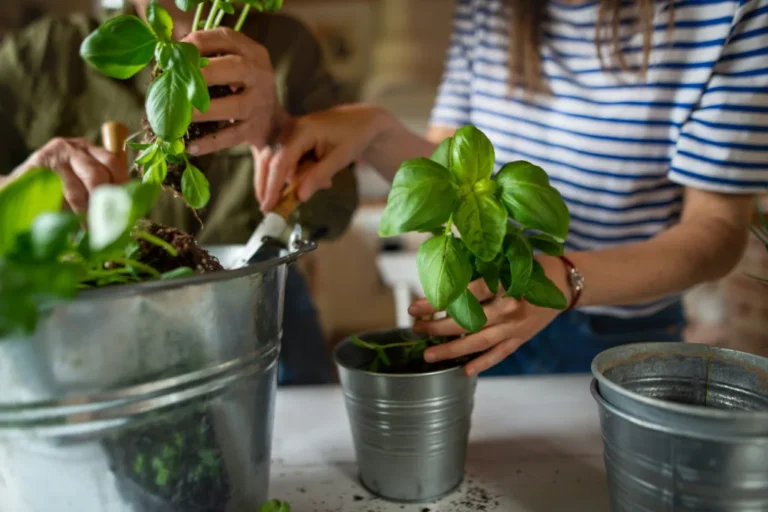
Herbs are the opposite case from a fruiting crop: light feeding, or none at all once established, keeps flavor concentrated, since heavy feeding pushes soft, fast, bland growth. If you’re growing herbs indoors, the growing herbs indoors guide covers the specifics per herb.
Leafy greens (lettuce, spinach, herbs grown for bulk rather than flavor intensity) can take a nitrogen-forward feed without the flowering trade-off a fruiting crop has, since you’re growing leaf, not fruit, and more leaf is just more of what you wanted.
Do Kitchen Scraps Work as Fertilizer?
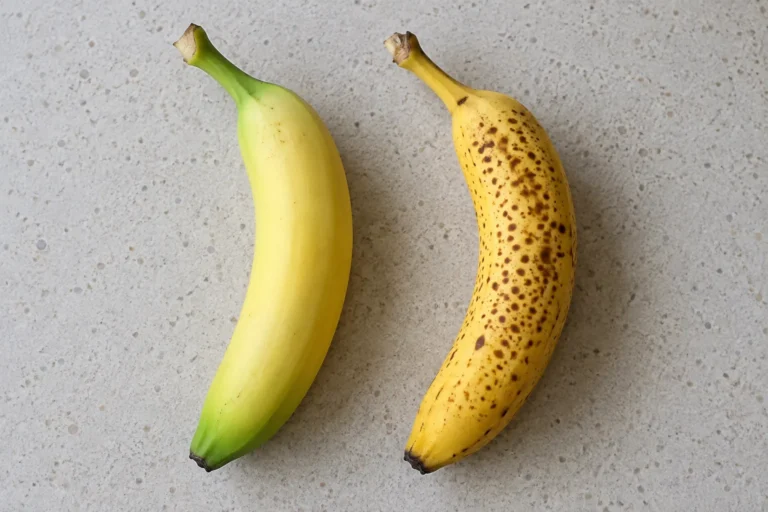
Not directly, and not quickly enough to feed a plant that’s hungry this week. Raw scraps need to break down first, through composting or a worm bin, before anything in them is available to a plant’s roots. If you want to put kitchen scraps to work, composting in an apartment and vermicomposting for beginners are the actual methods, not a shortcut around feeding. Steeping something like a banana peel in a jar of water, straight onto the plant, is a common version of this shortcut, and it needs to break down first too, same as anything else raw.

FAQ
Can I use the same fertilizer for every plant in pots? A balanced liquid feed works for most container plants most of the season. The one adjustment worth making is switching to a higher-potassium feed for fruiting crops once they start flowering, per the schedule above.
How do I know if my pot is too small to feed properly? A pot that dries out within a day or two of watering, even when the plant isn’t especially large, is often too small for what’s growing in it, and no feeding schedule fixes an undersized pot. What size pot does this crop need covers sizing by crop.
Is it possible to overfeed a plant so badly it dies? Yes. Severe, repeated overfeeding causes the same root damage as drought stress, just from the opposite direction, and a plant that’s gone from green and lush to suddenly wilted and brown-tipped despite wet soil is the pattern to watch for.
Once the feeding schedule is second nature, The No-Land Homesteader’s Starter Kit is the 30-day routine a new grower follows to get the rest right too — light, watering and pest-proofing from week one.