Community Garden Plots: How They Work
A community garden plot is the usual next step when you’ve run out of balcony. Every sill has a pot, the rail is full, and you want to grow the things containers can’t do well: a real tomato bed, a sprawl of squash, rows of beans, a corn patch. A rented plot in a shared garden gives you ground to do that, for about the price of a couple of bags of potting mix a year.
It doesn’t replace what you’ve already got. The plot is for volume and the sun-hungry crops. The kitchen and the balcony stay exactly where they are, doing the everyday work. More on that split below.
What is a community garden plot?
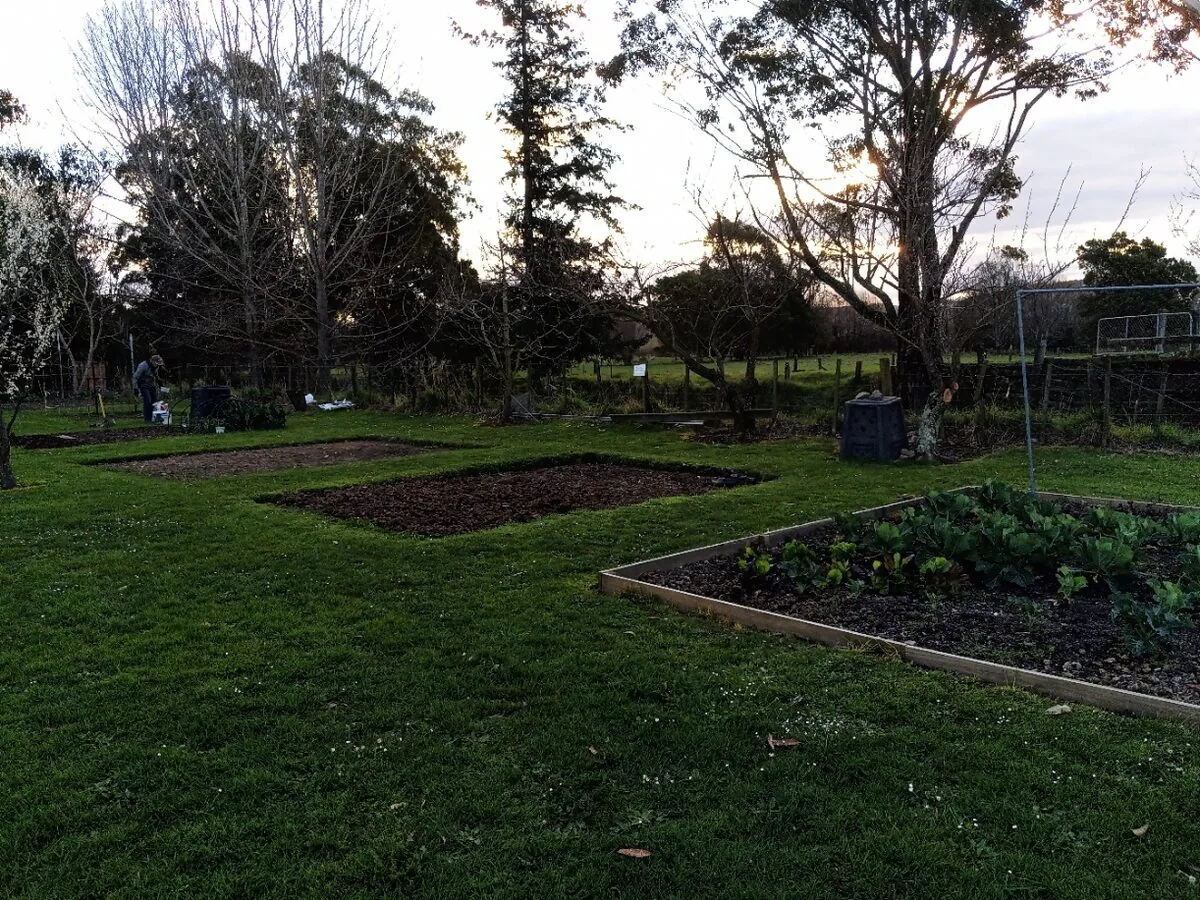
It’s a patch of ground in a shared garden that you rent for a season or a year and grow whatever you want in. You get the plot, access to the site, usually shared water and sometimes shared tools and compost. You bring the seeds, the labor, and the showing up.
Most community gardens are run by a city parks department, a non-profit, a church, or a residents’ association. The plot is yours for as long as you keep renting it and keep it tended. Some gardens will hold a plot for the same gardener for years; others rotate people through to clear the waitlist.
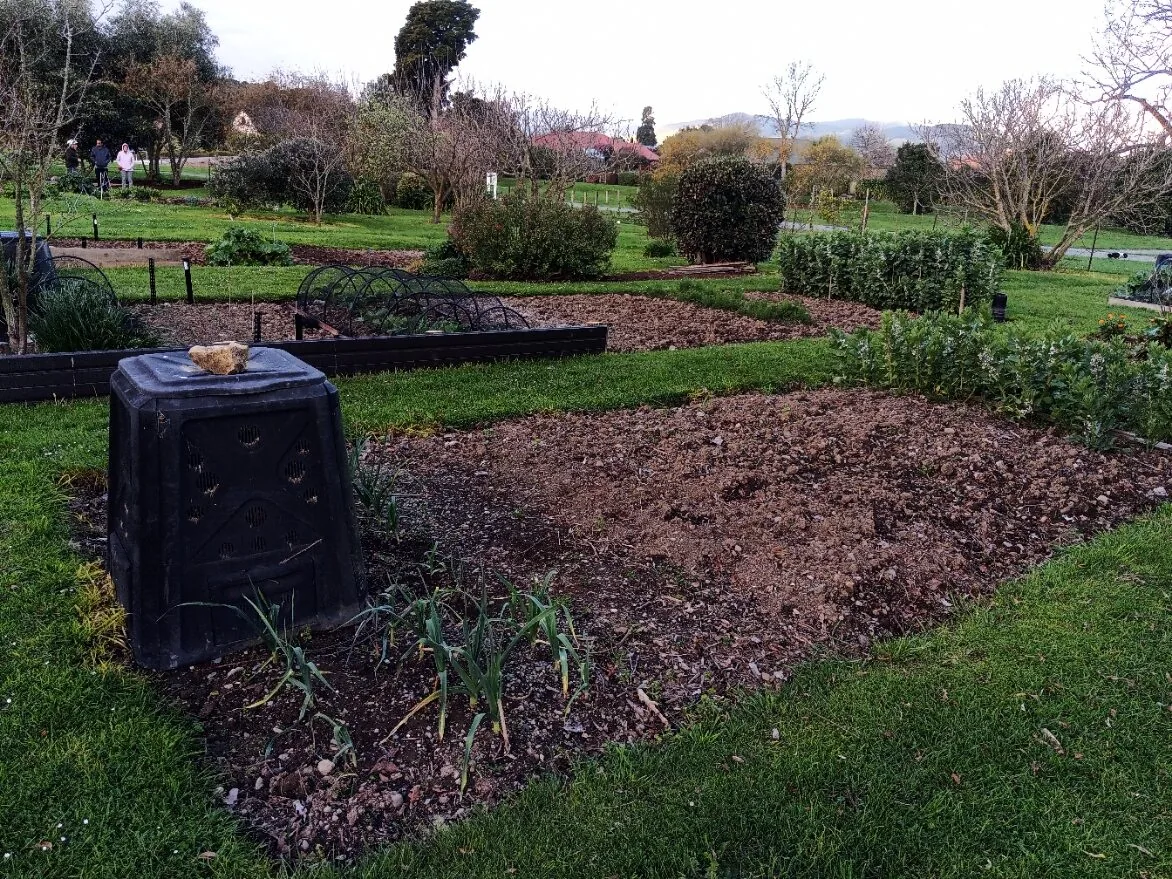
How much does a community garden plot cost?
In the US, a plot usually runs somewhere between US$20 and US$150 a year, with most in the middle of that. Some cities charge a flat fee, some charge by the square foot, and many offer a reduced rate for seniors and low-income residents. Non-profit gardens sometimes charge a refundable deposit on top, returned when you leave the plot clean.
A few gardens ask for work as well as money: a set number of volunteer hours a season on the communal paths, compost, and fences, or a couple of scheduled work days. It’s worth asking before you sign up, because missing the hours can cost you the plot.
Against what a plot grows in a season, the fee is small. The real cost is time, and getting there.
How do you get a community garden plot?
You apply, and then in a lot of places you wait.
In dense cities with long-established gardens, waitlists run from several months to a year or two. Some gardens run an annual lottery instead of a queue. Smaller towns, newer gardens, and gardens a bit further from the center often have plots available now or a wait measured in weeks.
A few things move you up the list or around it:
- Apply to several gardens at once. Waitlists are per-garden, and there’s no rule against being on more than one.
- Ask about half-plots. Many gardens split larger plots, and a half comes free more often than a full one. A half-plot is plenty for a first year.
- Ask about newer or expanding sites. Cities add gardens, and a brand-new site starts with every plot open.
- Turn up to a work day before you have a plot. Some gardens prioritize people the coordinator already knows are reliable.
Apply in fall or winter for the following season. The lists clear in late winter as people give up plots they didn’t use.
How big is a plot, and what can you grow?
Common plot sizes run from about 10 by 10 feet to 20 by 20 feet, so 100 to 400 square feet, with half-plots in between. Plots are usually sited in the open, which is what a balcony can’t offer.
That sun and space is what the plot is for. Grow the crops that never really work in a pot:
- A proper tomato bed, staked, 6 or 8 plants instead of one or two.
- Winter squash and pumpkins, which want to run.
- Sweet corn, which needs a block to pollinate, not a row.
- Bush and pole beans by the dozen, for eating fresh and for drying.
- Potatoes, a full bed of them.
- Brassicas with room to size up: cabbages, broccoli, Brussels sprouts.

What you usually can’t do: build anything permanent. Most gardens limit or ban sheds, raised beds over a certain height, trees, and tall perennials that would shade a neighbor. Some restrict which perennials you can plant at all, because a plot that changes hands shouldn’t come with someone else’s asparagus. Check the rules before you plant anything that’s meant to last years.
What are the rules and the etiquette?
Every garden has its own bylaws, but most come down to the same handful of things:
- Keep your plot tended. This is the big one, and it’s usually enforced. A neglected plot seeds weeds into every plot around it, so most gardens have a clause: if your plot is clearly abandoned for a few weeks with no word, they can reclaim it and give it to the next person on the list.
- Many gardens are organic-only by rule. No synthetic pesticides or herbicides, sometimes no synthetic fertilizer either. Assume this unless you’re told otherwise.
- Water like it’s metered, because it often is. Deep and infrequent, at the roots, early or late. Don’t leave a hose running.
- Harvest your own plot only. Obvious, but the communal fruit trees and herb beds have their own rules, so ask.
- Shared tools go back clean. Communal paths, compost, and fences are everyone’s job, which is what the work days are for.
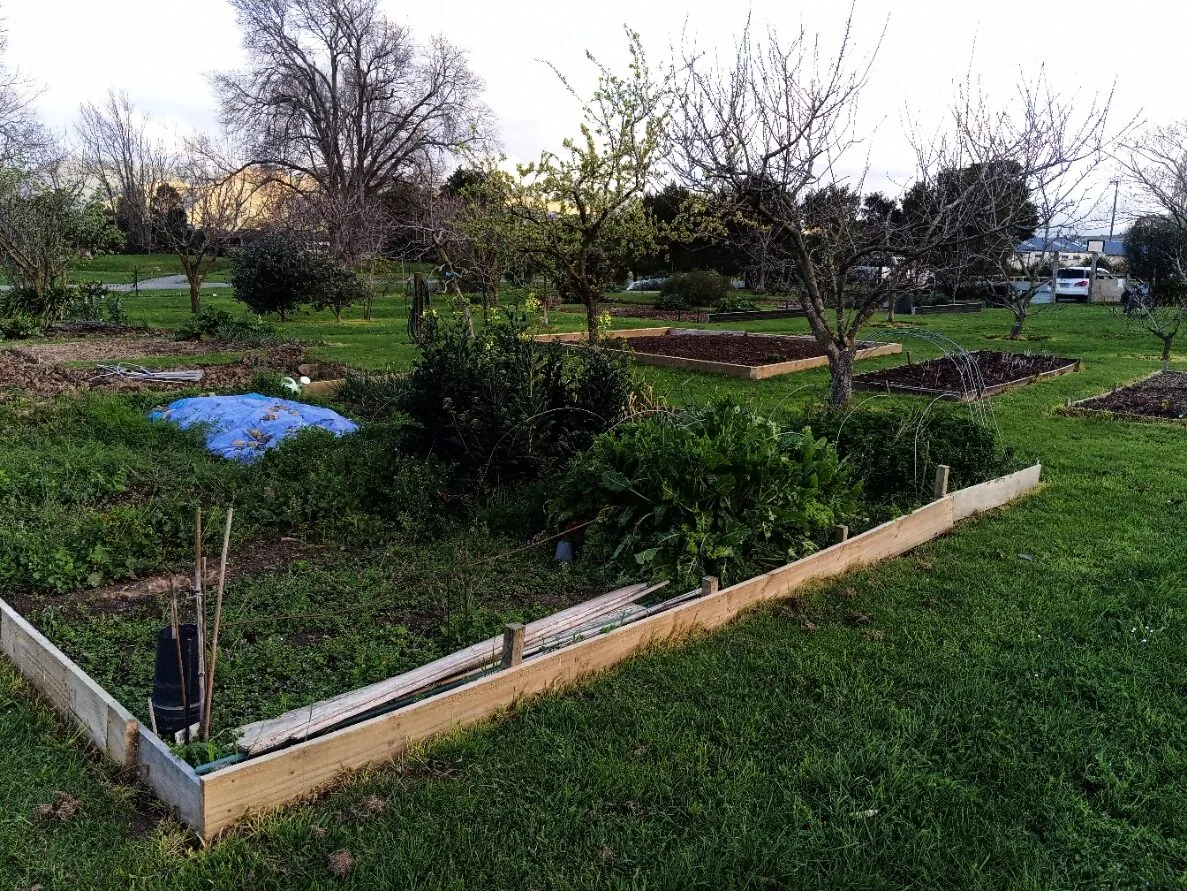
The social side matters more than it sounds. A community garden runs on people knowing each other and covering for each other during a heatwave or a holiday. Introduce yourself, learn a few names, and offer to water a neighbor’s plot when they’re away. It comes back around.
Does a plot replace your balcony garden?
No. They do different jobs, and the balcony’s job doesn’t go away.
The plot is the volume layer: the staples, the preserving crops, the things that need full sun and room to sprawl. You visit it a few times a week in the growing season and it does most of its work while you’re not there.
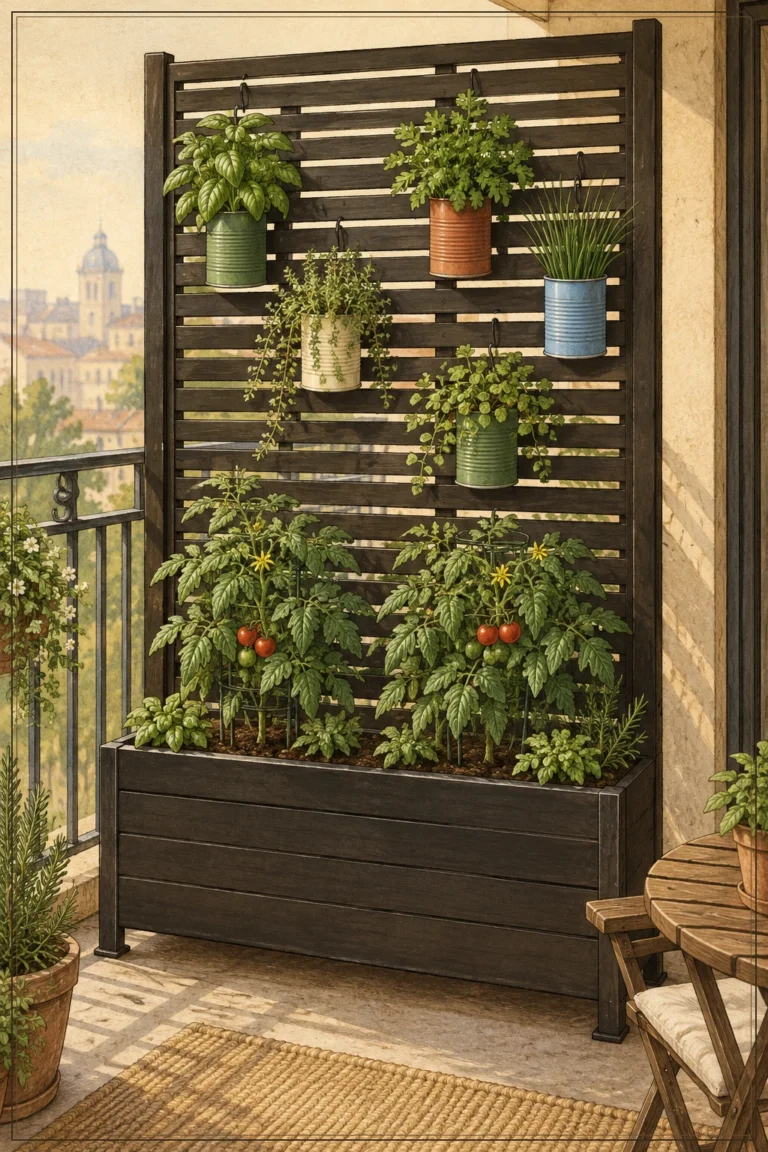
The kitchen and balcony stay the everyday layer, and they’re the one you actually live with. Herbs you snip while something’s on the stove. A pot of salad leaves by the door. Microgreens on the counter in winter when the plot is bare. A jar of something fermenting. That’s the part of growing your own that happens every day, and a plot 15 minutes away doesn’t touch it.
Most people who get a plot keep every container they had. The balcony wasn’t a waiting room for the plot. It’s the half of this that runs year round.
Is a community garden plot worth it?
Yes, if you want to grow staples and preserving crops, you don’t have a yard, and you can reliably get to the site once or twice a week through the summer.
Think harder about it if your growing season is when you travel most, or the nearest garden is a long trip each way. A plot you can’t tend becomes a weed patch that annoys your neighbors and gets reclaimed, and you’re back where you started having paid the fee. A half-plot close by beats a full plot across town every time.
FAQ
How long is the wait for a community garden plot? Anywhere from a few weeks to a couple of years, depending entirely on the city and the garden. Dense, established gardens have the longest lists; newer and smaller sites move faster. Apply to several at once.
Can you make money from a community garden plot? Usually not. Many gardens prohibit commercial growing outright, so check your garden’s rules before you plan on selling a surplus at a market.
What happens to your plot in winter? It’s yours year round as long as you keep renting it. Clear the spent crops, plant a cover crop or mulch it, and it’s ready in spring. Some gardens ask that plots not be left bare over winter.
Do you need to be experienced to get a plot? No. Community gardens are where a lot of people learn, and there’s usually someone a few plots over who’s been doing it for 20 years and likes being asked.
Can you share a plot with someone? Often yes, and it’s a good way to keep a plot tended if neither of you can commit to it alone. Check whether the garden wants both names on the agreement.
The next small step
Look up which organization runs community gardens in your city; it’s usually the parks department or a single non-profit that coordinates all of them. Find their plot application, read the bylaws, and get on two or three waitlists now, whatever time of year it is. The wait is the slow part, and it starts the day you apply.
While you wait, the balcony keeps working. If you’re still building that side out, homesteading in an apartment covers what’s possible without any ground at all, and the free guide has the small-space version of everything here.