The Apartment Homesteader’s Year: A Month-by-Month Calendar (With Real Costs)
Every homesteading calendar out there assumes land. Prune the orchard in February. Rotate the pasture in April. Fill the root cellar in September. If what you’ve got is a balcony, one sun-facing window, a hall closet, and a kitchen the size of a parking space, none of those calendars were written for you.
So here’s one that is. It covers the four things you can actually do without land: grow a bit of food, run a compost system, preserve small harvests, and build a skill or two over winter. Month by month, with what each step costs at a US store this year, and what tends to go wrong.
You don’t have to do all of it. That’s the point. Pick the row that fits the month you’re in and start there.
Before you start: work out your zone
The timings below are written for a temperate US climate, USDA Zones 6 to 7 as a baseline. Warmer than that, shift spring tasks 1 to 2 weeks earlier. Colder, push them 1 to 2 weeks later. Always check your own frost dates with the Old Farmer’s Almanac calculator and your local Extension service before you plant anything.
| USDA Zone | Last spring frost (approx.) | First fall frost (approx.) | Growing season |
|---|---|---|---|
| Zone 5 | May 1 – May 15 | Oct 13 – Oct 21 | ~175 days |
| Zone 6 | Apr 1 – Apr 21 | Oct 17 – Oct 31 | ~195 days |
| Zone 7 | Mar 22 – Apr 3 | Oct 29 – Nov 15 | ~210 days |
| Zone 8 | Mar 13 – Mar 28 | Nov 7 – Nov 28 | ~240 days |
| Zone 9 | Feb 6 – Feb 28 | Nov 25 – Dec 13 | ~290 days |
Source: USDA Plant Hardiness Zone Map. Zones are average winter lows, not frost dates, so the ranges above are planning estimates only.
Key timing rules:
- Start tomato seeds indoors 6 to 8 weeks before you transplant outside (after last frost). Start peppers 8 to 10 weeks out, they need longer than tomatoes, per Rutgers NJAES. In Zone 7 that’s tomatoes in early March, peppers in late February.
- Transplant warm-season crops after last frost, once nights stay above 50°F. Zone 7: May 1 to 15. Zones 5 to 6: May 15 to 30.
- Direct sow cool-season crops (peas, spinach, radishes, and lettuce, which germinates a few degrees cooler still) as soon as the mix is workable and around 40°F, per CSU Extension. All take light frost.
- Fall crops: count 6 to 8 weeks back from your first fall frost for the planting deadline. Sow Brussels sprouts indoors in May and transplant by mid-July; start fall broccoli and cabbage indoors late June to early July and transplant them out in August, per UMD Extension.
Southern hemisphere: shift everything by about 6 months, so our July is your January, and use a sun-facing window the same way (yours faces north instead of south). Check regional timing against a local planting guide.
The calendar, month by month
January: plan, order seed, build the bin
| Growing | Order seed. Start onions and leeks indoors (Zones 5–7). Keep microgreens, herbs, and regrown green onions going. |
| Composting | Check the bin once. Don’t feed. |
| Skills | Start or revive a sourdough starter. Read last year’s notes. |
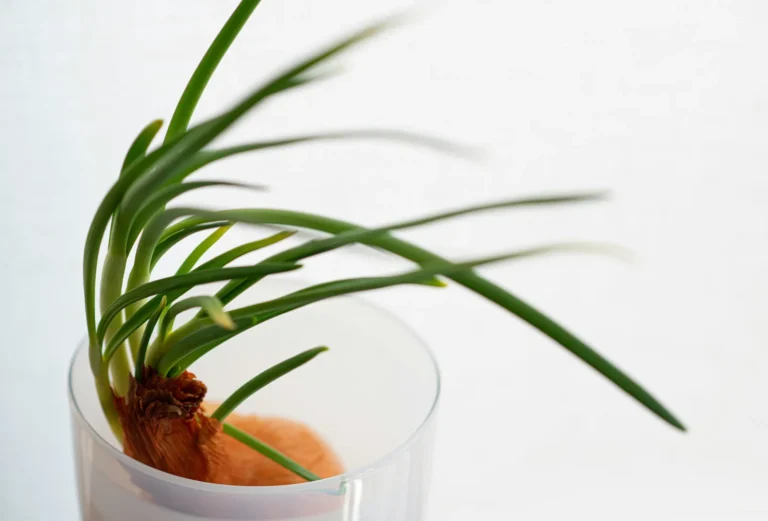
January is a buying month. Seed catalogs land now and the good open-pollinated varieties sell out by February. Botanical Interests packets run $2.99 to $4.49 each (checked August 2026), and 6 or 7 packets is a full year. It’s also the best month to build a worm bin, while the balcony’s dead anyway: an opaque 12 to 20 gallon tote is $10 to $15 at Walmart or Target, and a half-pound starter batch of red wigglers (around 500 worms) runs about $40 to $65 from a supplier like Meme’s Worms (tote and worms checked August 2026), shipping sometimes included over $50. An established bin goes dormant this month: below about 50°F the worms stop eating, so check it once, don’t feed, and leave it shut. Green onions also regrow in water on the sill through winter; in our own runs they give 2 or 3 good cuts before the regrowth thins out, then it’s time to pot them up. Renter note: before you drill a vent hole in that tote, read your lease for anything on alterations or balcony storage, and never put drainage holes in the bottom, that’s how you get a water stain and lose a deposit.


February: set up the seed station
| Growing | Build the indoor seed-starting station. Start peppers (Zone 7+). Test old seed. |
| Composting | Bin’s waking up. Resume very light feeding, a small handful a week. |
| Skills | Bake your first sourdough loaves. Ferment winter veg. |
The seed station is a bright spot, a heat mat, and a light. A Viagrow VSEEDMAT seedling heat mat is $25.23 at Home Depot, or an iPower mat with a thermostat is $39.99 at Walmart. For light over one tray, a Great Value 4.5-inch 13-watt LED clamp light is $14.92 at Walmart (all checked August 2026). Start peppers in late February in Zone 7, they need 8 to 10 weeks. Hold tomatoes until March in Zones 5 to 6. Test last year’s seed first: 10 seeds on a damp paper towel in a bag, and if fewer than 6 sprout in a week, buy fresh. Renter note: that shelf and mat run on power for weeks. Give it a real outlet, not a bathroom GFCI that trips the first time the mat draws.
March: start seedlings, first outdoor sowing
| Growing | Start tomatoes indoors. Direct sow peas, spinach, radishes on the balcony. |
| Composting | Full activity’s back. Refresh bedding with damp torn cardboard. Pull the first castings. |
| Skills | Read up on container pest control before you need it. |
Start tomatoes in early March in Zone 7, mid-March in Zones 5 to 6, on a heat mat at 75 to 80°F. A bag of Miracle-Gro Seed Starting Potting Mix, 8 quarts, is $7.97 at Home Depot (checked August 2026) and fills about three seed trays. Direct sow the cold-tolerant crops outside as soon as the mix is workable. Refresh the worm bin’s bedding with damp torn cardboard this month, and the first cup of castings goes straight to the seedlings. Failure mode this month: damping-off. Seedlings that were fine yesterday flop over at the soil line and don’t recover. It’s a fungal thing that takes hold in cold, wet, airless mix. Don’t overwater, run a small fan or crack a window near the tray, and don’t sow into last year’s unwashed pots. Renter note: a tray of wet seedlings on a windowsill is a water-damage claim. Put a boot tray or a folded towel under everything.
April: first transplants, harden off
| Growing | Transplant cool-season crops to the balcony. Harden off tender seedlings over 7 days. Succession-sow lettuce and radishes. |
| Composting | Bin in full production. Use castings as a top dressing around new plantings. |
| Skills | Practice potting up without wrecking roots. |
Broccoli, cabbage, kale, and lettuce go outside now, they take a light frost. Harden them off first: an hour or 2 on the balcony in shade, more each day for a week, or the jump from grow light to real sun scorches them. You’ll want more container mix around now, a 16-quart bag of Miracle-Gro Potting Mix is about $10 at Home Depot (checked August 2026). What grows well out there is its own subject, see the beginner’s balcony vegetable guide. Renter note: a filled 12-inch pot weighs 20 to 30 lb. Know your balcony’s load limit (your building manager can tell you), keep heavy pots along the building wall rather than out at the rail, and spread them out.
May: peak planting
| Growing | Transplant tomatoes and peppers after last frost. Direct sow beans, squash, cucumbers. Sow Brussels sprouts indoors (longest lead time of the fall crops). Set up trellises. |
| Composting | Peak production. Feed generously, harvest castings often. |
| Preservation | Ferment the first spring radishes as a quick pickle. |
In Zone 7, warm-season crops go out May 1 to 15; Zones 5 to 6, wait until the end of the month. Mother’s Day is the old rule of thumb and it holds for most temperate zones. Buying transplants instead of starting from seed? A 2-pack of Bonnie Plants tomatoes is $11.84 at Home Depot ($5.92 a plant, checked August 2026). Sow Brussels sprouts indoors now, they need the longest run of any fall brassica, per UMD Extension. Get supports in before the plants need them, wrestling a trellis around a sprawling tomato tears the stems. Renter note: don’t drill the rail or the wall for a trellis. Use a freestanding cage or a tension pole. A few screw holes is a deposit gone.
June: first harvests, daily water
| Growing | Harvest first radishes and lettuce. Transplant the May-sown Brussels sprouts to the balcony. Check pots daily. |
| Composting | Move the bin indoors for summer. |
| Skills | Learn seed-saving basics on tomatoes, beans, lettuce. |
Radishes sown in March should be ready at 30 to 40 days, pull them when the shoulders show. Pick outer lettuce leaves and let the plant keep going. Transplant the Brussels sprouts you sowed in May now, they go out mid-June to mid-July per UMD. Container plants want an inch to an inch and a half of water a week and dry out faster than ground soil, so check every day once it’s hot. A 42-inch tomato cage is $6 to $10 at Home Depot (checked August 2026). Bring the worm bin inside for the summer: red wigglers start dying above about 86°F, and a heatwave will do it, a stretch of days in the mid-90s°F and up can cook the colony. A closet or under-sink cabinet holds a steadier temperature. Renter note: daily watering means daily runoff. A saucer under every pot keeps it off your deck boards and off the neighbor below.
July: peak harvest and preserving
| Growing | Harvest and water daily. Start fall broccoli and cabbage indoors. Prune tomatoes for airflow. |
| Composting | Watch for heat stress. Keep the bin somewhere below 80°F. |
| Preservation | Small-batch canning: tomato sauce, pickles, in half-pint jars. |
Pick every day, overripe fruit left on the plant tells it to stop. A Ball 9-Piece Preserving Starter Kit runs about $35 at Walmart (checked August 2026); a bare 3-piece utensil set, jar lifter, funnel and headspace tool, is about $15. Always use a tested, acidified recipe from the National Center for Home Food Preservation, tomatoes need added lemon juice or citric acid for safe water-bath canning. Failure mode this month: the bin crash while you’re away. A healthy bin goes 2 to 3 weeks unfed without trouble. What kills it is a house-sitter being helpful and topping it up. Tell whoever’s watering the plants to leave the bin alone; the composting guide covers how to prep it for a longer trip. Renter note: a 21-quart canner plus the AC on the same circuit trips the breaker. Can in the evening, one big appliance at a time, window open.
August: bulk preserving, save seed, transplant fall crops
| Growing | Transplant fall broccoli and cabbage to the balcony. Save seed from your best plants. Direct sow fall lettuce, spinach, radishes, beets. |
| Composting | Warm, humid weather. Keep scraps in the freezer until feeding day. |
| Preservation | Bulk canning from a farmers’ market box. Jams and jellies. |
Buy a case of jars once and reuse them for years: a 12-pack of Ball regular-mouth pint jars with lids and bands is one of the cheaper lines on this list and lasts for years of canning. Transplant the fall broccoli and cabbage you started in July, and direct sow the quick fall crops (lettuce, spinach, radishes, beets) counting 6 to 8 weeks back from your first frost. For seed saving, only keep seed from open-pollinated or heirloom plants, hybrids won’t come true. Warm, humid August is when a bin is most likely to draw fruit flies, which is why the scraps go into the freezer until feeding day from here on. Renter note: August canning turns a small kitchen into a sauna. Evening batches, window cracked, and don’t leave a full canner unattended on a rented stove.
September: final harvests, bring plants indoors
| Growing | Final outdoor harvests. Bring peppers and herbs inside. Clean and store empty containers. |
| Composting | Cut feeding back as it cools. |
| Preservation | Last canning of stone fruit. Label and date everything. |
The fall brassicas you moved out through summer are sizing up now and will crop until hard frost. Bring in anything you want to keep: peppers, basil, herbs, into your sunniest window or under a light. Failure mode this month: pests hitchhiking indoors. Aphids and whitefly that were kept in check outside by ladybugs and weather explode once the plant is inside where nothing eats them. Check leaf undersides before the plant comes in, hose it down, and keep it away from any houseplants for 2 weeks. Renter note: quarantine those incoming plants in the bathroom or a spare corner, not on the shelf next to everything else.
October: the indoor grow-light shelf, plant garlic
| Growing | Set up the grow-light shelf. Sow microgreens and indoor lettuce. Plant garlic in a deep pot. |
| Composting | As the bin slows, run a bokashi bucket alongside it. |
| Skills | Pick one skill for winter and go deep. |
A shelf with LED strips carries microgreens, lettuce, and herbs through winter. A 4-pack of Barrina 4-foot T8 LED grow strips (168 watts total) is roughly $40 to $70 on Amazon (checked August 2026). October is garlic-planting month across most of the US: seed garlic runs $16 to $25 a pound from suppliers like Grow Organic (checked August 2026), and cloves go 2 inches deep and 6 inches apart in a deep container, see growing garlic in pots. Renter note: tape down the cord run from that shelf. A trailing extension lead is the kind of thing that gets written up at an inspection.
November: indoor garden only, winterize
| Growing | Keep herbs and microgreens going under light. Plan next year’s layout. Order seed. |
| Composting | Bin’s near-dormant, check monthly. Keep feeding the bokashi. |
| Preservation | Use up last year’s jars. Clean and check equipment. |
Indoor growing is the whole show now, and yields are low, that’s normal. Microgreens are the best return in the least space: a pound of seed from True Leaf Market is $38.74 (checked August 2026) and that’s a lot of trays, and in our own runs a tray is ready to cut 10 to 14 days after sowing, see growing microgreens at home. A bought oyster-mushroom block is the other strong crop for the space it takes in winter, see growing oyster mushrooms indoors. If your only window is dim, some crops still earn their spot, see growing food in low light. This is planning month, sketch next season’s balcony and order seed so it’s in hand for February. Renter note: a bin that smells at the door is almost always overfeeding or a bad lid seal, not the method. A correctly run worm bin has no odor outside the lid, which is the entire reason it’s allowed in a rental.
December: inventory, bake, review
| Growing | Keep microgreens going. Inventory leftover seed and test germination. |
| Composting | Check the bin hasn’t chilled if it’s near an outside wall. |
| Skills | Bake. Write down what worked this year and what didn’t. |
Nothing to buy this month if you planned ahead. Test old seed the same way as February and toss anything under 60 percent germination. Add up a first year and it’s around $250 to $400 in one-off gear, most of it spent in spring, then well under $100 a year after that once you’re reusing jars, pots, and the light. Renter note: moving in the new year? Ease off feeding the bin 2 weeks before the move and move it yourself rather than putting it on a hot truck. Never leave it shut in a hot car, and don’t seal it airtight, the worms still need airflow.
Keep your own record
Keep one line a month: what you sowed, what you picked and roughly what it weighed, what the bin was doing, what you spent, what failed. Over a year that record beats any calendar, because it’s matched to your window, your zone, and your mistakes. There’s a one-page printable of these tables and a blank tracking sheet to download here.
Where to start
You don’t need every row of this to be homesteading. One pot of herbs on a sunny sill, or one worm bin under the sink, is a real start. Pick what fits the month you’re in and do that.
For the bigger picture, start with the apartment homesteading guide. When you’re ready to preserve a real harvest, the Balcony-to-Pantry Preserving Calculator sizes batches and jars for a small kitchen, and the No-Land Homesteader’s Starter Kit (US$12.97) lays out a 30-day first month.
If this calendar is useful, send it to someone who thinks they need land to start.