Apartment Energy and Water Savers That Work
Most “cut your utility bills” lists are the same 20 tips copied from site to site, half of them requiring a landlord’s permission you don’t have. This one sticks to 2 things worth doing in a rental, and a handful of smaller ones that cost nothing and take 5 minutes.
Do Thermal Curtains Work?
Yes, with a real caveat: only if you hang them right.
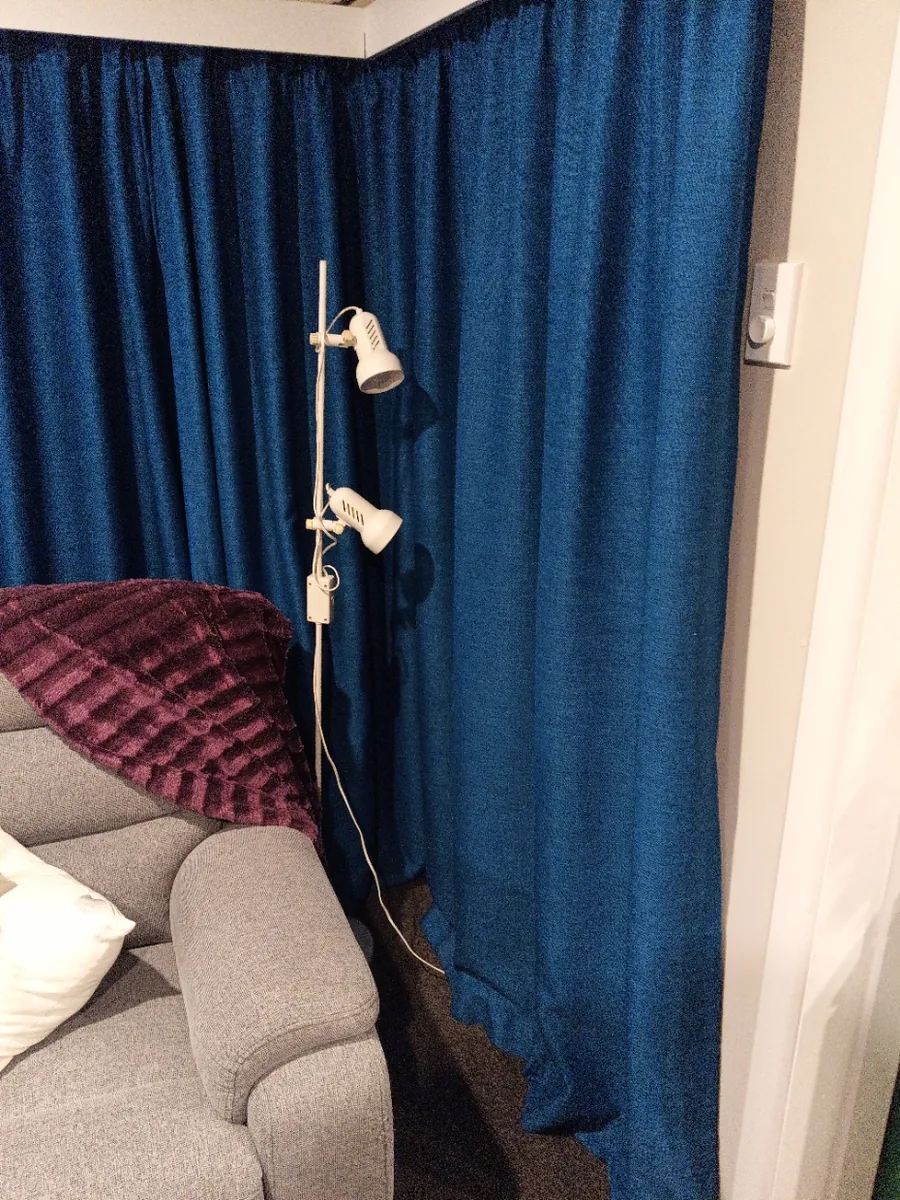
Thermal curtains work by trapping a layer of still air between the fabric and the glass. Still air is a poor conductor of heat, so that trapped layer slows down how much heat moves through your window, in either direction. In winter, less of your heated air escapes through the glass. In summer, less outside heat gets in.
The numbers are more modest than the internet’s favorite version of this claim. According to the Department of Energy, closing conventional draperies in cold weather can cut heat loss from a warm room by up to 10%. In summer, medium-colored drapery with a white plastic backing can cut heat gain by 33%. That’s a real, worthwhile difference, especially in summer, but it’s well short of the “cut your heating bill in half” framing some curtain retailers use. Insulated cellular shades, a different product not covered here, do better: DOE says they can cut heat loss through the window by 40% or more in winter, which it puts at about 10% in heating energy savings. The curtain and shade figures measure different things, so don’t read them side by side.
The catch is fit. A thermal curtain that’s too narrow, too short, or hung loosely with gaps at the sides doesn’t create that sealed layer of air, so it doesn’t do much. To get close to those numbers:
- Mount the rod wider than the window, so the curtain can close fully over the glass with no gap at the sides.
- Mount it higher than the window frame, close to the ceiling if you can, so warm air can’t just rise over the top.
- Choose a curtain long enough to reach the sill or the floor. A curtain that stops short leaves an open channel at the bottom.
- Seal the sides, with Velcro or magnetic tape if you want to go further, and overlap the 2 curtains in the center.
- Close them. A thermal curtain hanging open all day, even a good one, is just a curtain. Close them at night in winter, and during the day in summer on any window that gets direct sun.
The rod is the one part that can need your landlord’s OK. Mounting it wider and higher usually means screwing brackets into the wall, so ask first. A tension rod needs no holes, but it sits inside the window recess, so it can’t go wider or higher. If that’s your only option, use a curtain long enough to reach the sill and overlap the edges as much as the recess allows. Test any tape or Velcro on a hidden patch first, because adhesive can lift paint. The curtains themselves are a normal, removable purchase, the same as any other curtain.
Catch Your Shower’s Warm-Up Water (No Product Required)
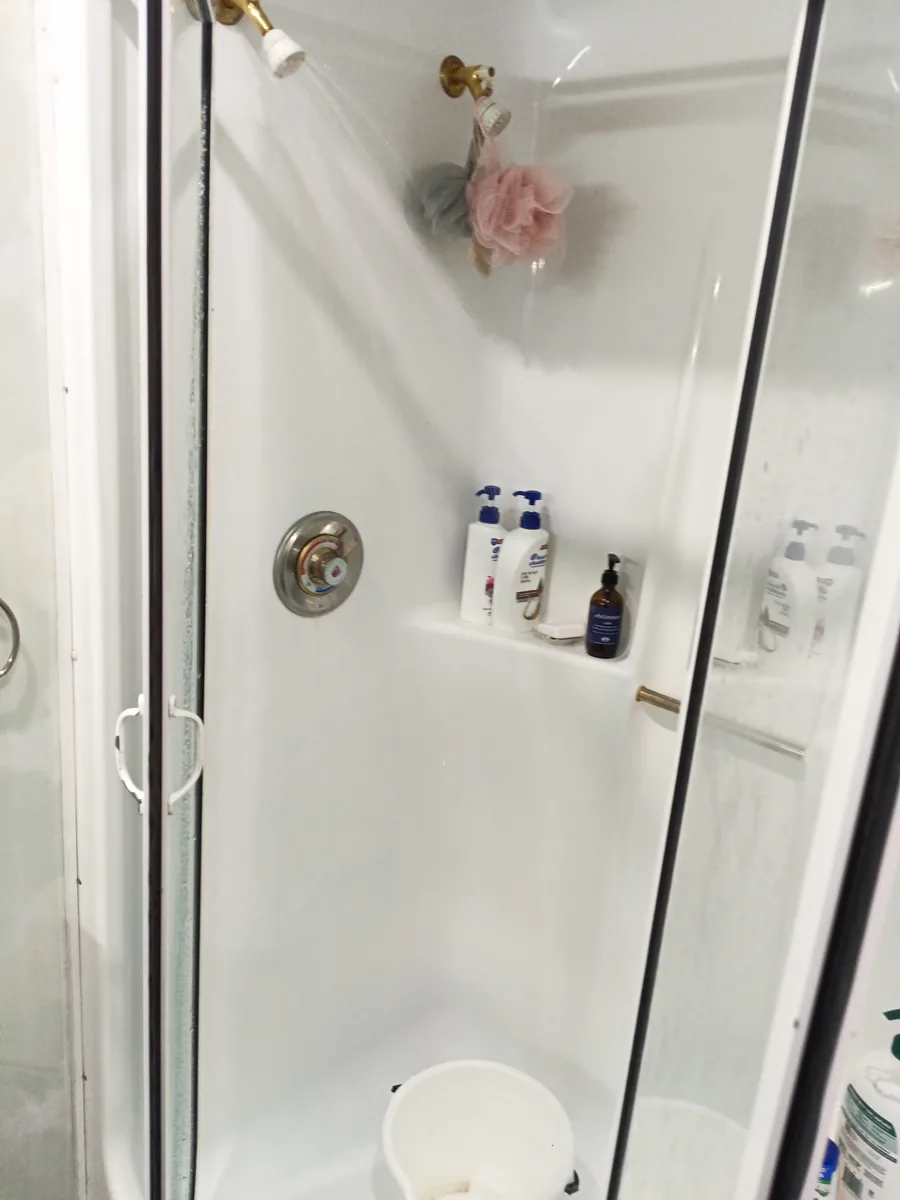
Every shower wastes a bit of cold water before it warms up. There are purpose-built products for this, gadgets that sit under your showerhead and catch that water automatically, and if you want one, they work fine. But the actual technique behind them is something you can do for free, tonight, with a bucket or a wide bowl you already own.
Put the bucket in the shower before you turn the water on, positioned to catch the flow. Wait for the water to warm up the way you normally would, except now that “wasted” water is landing in the bucket instead of down the drain. Once it’s warm, move the bucket aside and shower as normal.
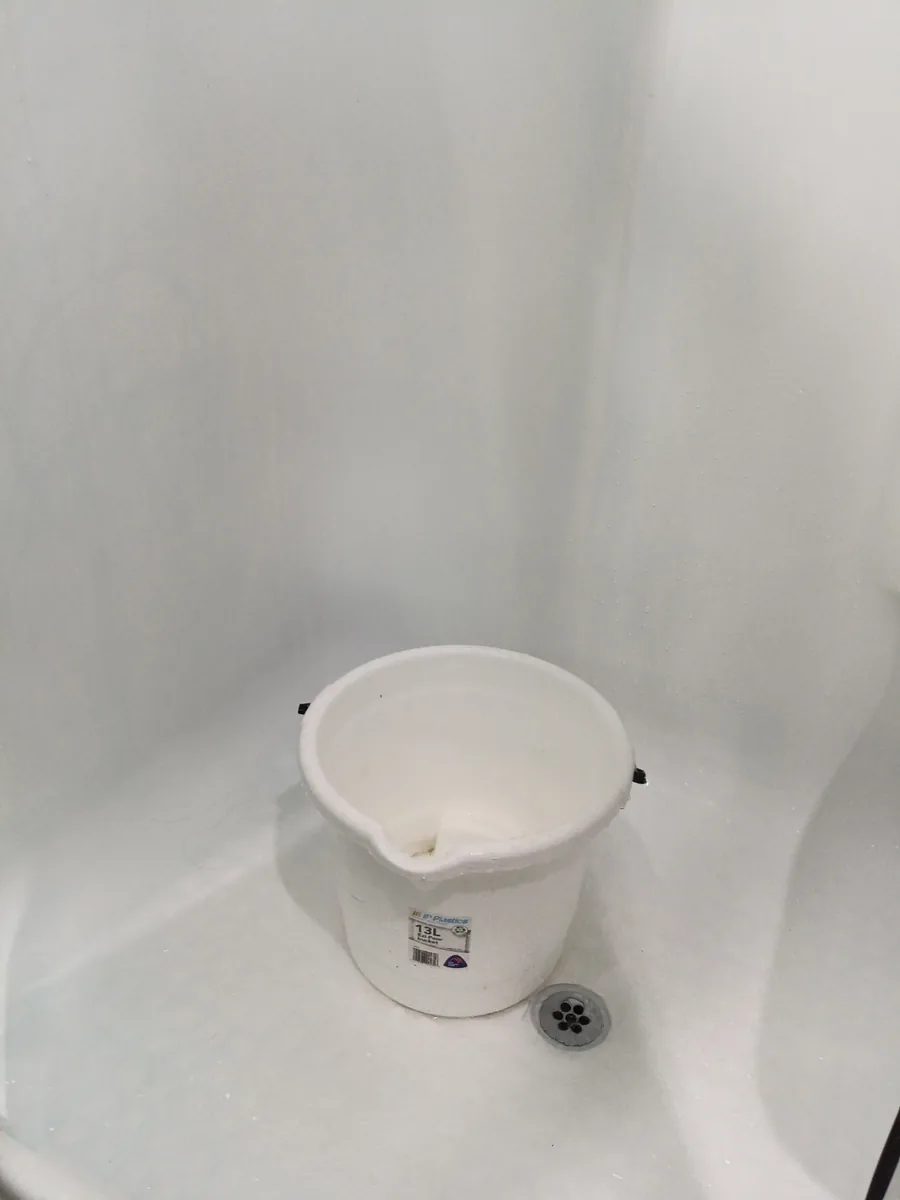
What you do with the water afterwards is up to you: top up a watering can for your pots, pour it into the toilet tank before a flush, or use it for washing dishes. It’s not drinking water and it hasn’t touched soap, so it’s fine for any of those.
This isn’t a big single win, it’s a small one you can repeat every single day for free, which is the same argument this site makes about most of its habits. A gadget will do the same job with a bit more convenience, if that’s worth the cost to you.
A Few More Worth Doing
None of these are the headline of this post, but they’re all real, cheap, and worth 5 minutes if you’re already thinking about this:
- A draft stopper under an exterior door stops the most obvious source of a cold draft into a room, and you can make one yourself from a rolled-up towel or an old pair of tights stuffed with fabric scraps if you don’t want to buy one.
- Swap bulbs to LED as your old ones burn out, rather than replacing working bulbs early. LEDs use a fraction of the electricity of an incandescent bulb and last far longer, so there’s no case for throwing out a bulb that still works, but every dead bulb is a free chance to switch.
- Unplug chargers and small electronics you’re not using. A single charger left plugged in draws very little on its own, but it adds up across a household, and it costs nothing to get in the habit of pulling the plug rather than just switching the device off.
The Next Small Step
You don’t need to do all of this at once. Pick the shower bucket tonight, since it costs nothing and takes 30 seconds to set up, and see how much water you’re catching. If thermal curtains make sense for your windows, that’s a next-week purchase, not a tonight one.
For more projects that work in a rental, see our guide to homesteading for renters, and homesteading in an apartment for the bigger picture.
Sources
- U.S. Department of Energy, Energy Efficient Window Coverings (archived copy, January 2025; the page is no longer on energy.gov)